सोलर पैनल के प्रकार (Technology और Structure के हिसाब से): 2026 में बेहतरीन चुनाव
Mono PERC, TOPCon, HJT, Bifacial आदि की तुलना! यह 2026 गाइड cell technology और panel structure के हिसाब से हर सोलर पैनल समझाती है ताकि आप सही चुनाव कर सकें।

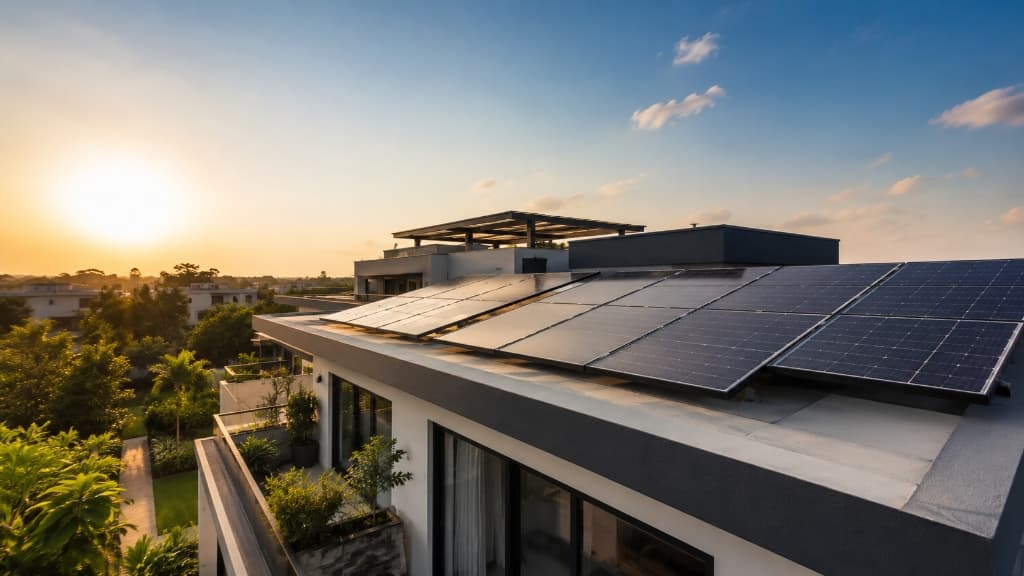
2026 में solar लगवाना homeowner या business owner के लिए सबसे समझदारी भरे financial decisions में से एक है। लेकिन जैसे ही आप quotes लेने बैठते हैं, jargon की बाढ़ आ जाती है: Mono PERC, TOPCon, HJT, Bifacial, Thin-Film, Half-cut cells, Glass-Glass… लगता है जैसे कोई नई भाषा सीख रहे हों।
सच यह है कि सभी solar panels एक जैसे नहीं होते। आपके panel का type सीधे तय करता है कि आप कितनी बिजली बनाएंगे, system कितने साल चलेगा, गर्मी में कैसे perform करेगा, और अंत में आपका investment कितनी जल्दी वापस आएगा।
यह गाइड इस सब को आसान भाषा में समझाती है। हम हर बड़े solar panel type को explain करेंगे — technology असल में क्या करती है, यह किसके लिए सबसे सही है, और जो मायने रखता है उस पर यह कैसा compare करता है: efficiency, cost, और lifespan।
Internal Link → पहले installation cost जानना चाहते हैं? Panel types में जाने से पहले हमारा solar installation cost breakdown देखें।
सोलर पैनल कैसे Categorise होते हैं: दो अलग Classification Systems
जब आप "सोलर पैनल के प्रकार" सुनते हैं, तो यह जानना ज़रूरी है कि industry में panels को classify करने के असल में दो अलग तरीके हैं — और दोनों affect करते हैं कि आपकी छत पर आखिर में क्या लगता है।
1. Cell Technology के हिसाब से
ज़्यादातर guides (नीचे के sections सहित) इसी पर focus करती हैं। Cell technology photovoltaic cell की material और engineering से related है — वह fundamental unit जो sunlight को electricity में convert करती है। इस guide में शामिल major cell technologies हैं:
- Mono PERC — residential workhorse
- Poly PERC — budget option
- TOPCon — rising premium standard
- HJT (Heterojunction) — temperature champion
- IBC (Interdigitated Back Contact) — efficiency record-holder
- Thin-Film (CdTe / CIGS) — lightweight और flexible
- Perovskite — exciting future technology
इनमें से हर technology इस बात में differ करती है कि यह sunlight को कितनी efficiently convert करती है, गर्मी में कैसे behave करती है, और कितने समय तक चलती है।
2. Panel Structure / Format के हिसाब से
Cell technology से अलग, panels इस बात में भी differ करते हैं कि उन्हें physically कैसे assemble और structure किया गया है। इन structural या format choices में शामिल हैं:
- Monofacial बनाम Bifacial — क्या panel एक face से या दोनों faces से बिजली बनाता है?
- Half-cut cell बनाम Full-cell — silicon cells को wiring से पहले आधा काटा गया है? (Half-cut cells resistive losses और shade sensitivity कम करते हैं।)
- Shingled cells — cells को roof shingles की तरह overlap किया गया, busbars हटाकर higher packing density के लिए।
- Multi-busbar (MBB) — 3–5 मोटे busbars की जगह कई पतले wires current collect करने के लिए और cracking risk कम करने के लिए।
- Glass-glass बनाम Glass-backsheet — panel के rear को दूसरी glass sheet से seal किया गया है (ज़्यादा durable, bifacial के लिए बेहतर) या traditional polymer backsheet से?
यहाँ एक critical बात समझें: panel structure और cell technology independent choices हैं जो freely combine होती हैं। उदाहरण के लिए, एक TOPCon panel monofacial या bifacial, half-cut या full-cell, glass-glass या glass-backsheet हो सकता है। Cell technology semiconductor physics के बारे में बताती है; structure physical build quality और installation profile के बारे में।
Quotes compare करने का practical tip: जब भी installer proposals मिलें, cell technology और panel format/structure — दोनों के बारे में पूछें। दो panels जिन्हें "TOPCon" label किया गया है, real-world durability और energy yield में काफी differ कर सकते हैं — यह depend करता है कि एक half-cut glass-glass MBB है और दूसरा full-cell glass-backsheet design। एक informed buyer technology name के साथ-साथ दोनों specs माँगता है।
Quick Answer: सोलर पैनल Comparison Table
गहराई में जाने से पहले, यहाँ आपका एक नज़र में reference है। सभी figures 2026 तक commercially available panels को reflect करते हैं।
| Panel Type | Efficiency Range | अनुमानित Cost/Watt | Typical Lifespan | Best Use Case | Temperature Coefficient |
|---|---|---|---|---|---|
| Mono PERC | 20% – 22% | ₹25 – ₹32 | 25–30 साल | Residential (subsidy-eligible) | –0.35%/°C |
| Poly PERC | 17% – 19% | ₹20 – ₹26 | 20–25 साल | Budget installs, rural setups | –0.40%/°C |
| TOPCon | 22% – 24% | ₹30 – ₹40 | 25–30 साल | Space-constrained roofs, C&I | –0.30%/°C |
| HJT (Heterojunction) | 23% – 25%+ | ₹45 – ₹65 | 30+ साल | Premium C&I, hot climates | –0.24%/°C |
| IBC | 24% – 26%+ | ₹60 – ₹90 | 30+ साल | High-budget premium installs | ~–0.29%/°C |
| Bifacial | 20% – 25%+ (effective) | ₹32 – ₹55 | 25–30 साल | Ground-mount, flat roofs | –0.30%/°C |
| Thin-Film (CdTe / CIGS) | 14% – 20% | ₹15 – ₹22 | 15–25 साल | Large commercial, utility | –0.20%/°C |
| Perovskite (emerging) | 27%+ (lab, single-junction) | अभी commercial नहीं | TBD | Future residential/C&I | Research में |
Note: Temperature coefficient बताता है कि 25°C से ऊपर हर degree Celsius पर panel कितनी efficiency खोता है। कम (कम negative) number का मतलब है panel भारत की गर्मी को बेहतर handle करता है।
1. Mono PERC सोलर पैनल — Residential Workhorse
Mono PERC सोलर पैनल क्या है?
Mono PERC का मतलब है Monocrystalline Passivated Emitter and Rear Cell। यह आज भारत में सबसे ज़्यादा install होने वाली rooftop solar panel technology है — और इसके अच्छे कारण हैं।
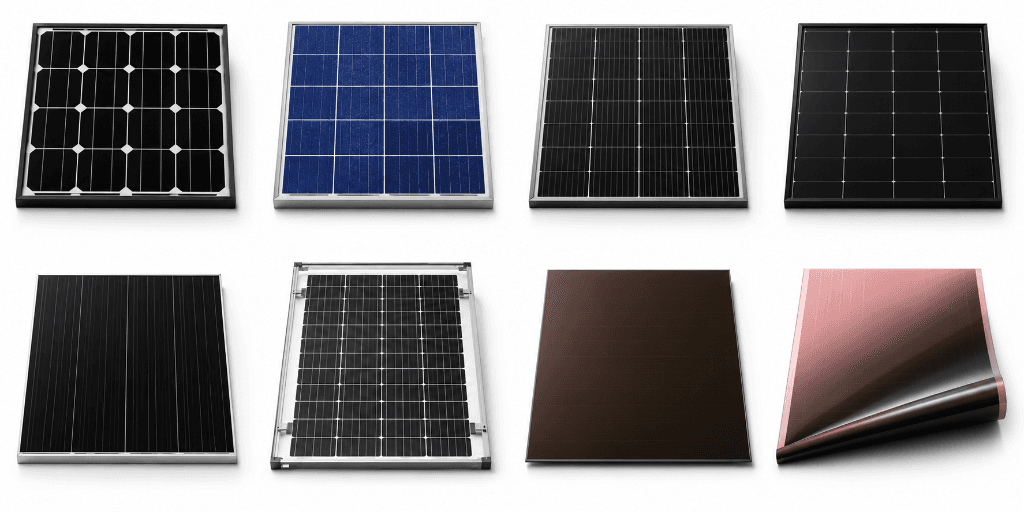
एक monocrystalline cell एक single, pure silicon crystal से काटा जाता है — जो इसे वह uniform dark-black appearance देता है जो आपने शायद ज़्यादातर modern rooftop systems पर देखा है। "PERC" innovation हर cell के पीछे एक special reflective passivation layer जोड़ता है। इसे एक mirror की तरह सोचें: जो sunlight panel से बिना absorb हुए गुज़र जाती है, वह वापस reflect होकर दोबारे pass होती है — same panel से extra electricity निचोड़ती है।
Efficiency: 20% – 22% | Cost: Moderate | Subsidy-eligible (DCR): हाँ
Mono PERC किसे चुनना चाहिए?
Mono PERC 2026 में ज़्यादातर homeowners के लिए सही choice है। अगर आप पीएम सूर्य घर मुफ्त बिजली योजना के लिए apply कर रहे हैं, तो आपको DCR-certified panels इस्तेमाल करने होंगे — और DCR format में Mono PERC qualify करने के लिए सबसे आसानी से उपलब्ध और cost-effective option है।
Internal Link → जानें कि government subsidies कैसे काम करती हैं और आप किसके लिए qualify करते हैं — हमारी Solar Subsidy Guide पर।
2. Poly PERC सोलर पैनल — Budget Option
Polycrystalline सोलर पैनल क्या है?
Polycrystalline (या Poly PERC) panels single crystal की बजाय multiple silicon fragments को मिलाकर बनाए जाते हैं। इससे manufacturing सस्ती होती है लेकिन थोड़ी कम efficiency आती है, क्योंकि mixed crystal structure ज़्यादा "boundaries" बनाती है जहाँ electrons block हो जाते हैं।
पहचान का तरीका: mono panels के solid black की जगह speckled blue appearance।
Efficiency: 17% – 19% | Cost: Low | Subsidy-eligible (DCR): आमतौर पर नहीं — PM Surya Ghar subsidy के लिए MNRE का current ALMM list ज़रूर verify करें
Poly PERC किसे चुनना चाहिए?
2026 में, polycrystalline panels भारतीय market में काफी हद तक एक legacy technology बन चुकी है। Mercom India की State of Solar PV Manufacturing in India 2026 report (दिसंबर 2025 के data पर आधारित) के मुताबिक, polycrystalline modules भारत की कुल installed module manufacturing capacity का सिर्फ लगभग 2% हैं — पाँच साल पहले की dominant position से बहुत नीचे, क्योंकि industry ने TOPCon और Mono PERC की तरफ decisively shift किया है।
व्यावहारिक रूप से इसका मतलब है:
- Tier-1 bankable manufacturer ढूँढना जो 2026 में poly modules scale पर actively produce कर रहा हो, genuinely मुश्किल है। Supply B2B marketplaces और secondary distributors के ज़रिए मिलती है, लेकिन limited Tier-1 backing के साथ long-term warranty support uncertain है।
- Subsidy eligibility effectively बंद है: ज़्यादातर poly modules MNRE के current ALMM List-I पर नहीं हैं और PM Surya Ghar Muft Bijli Yojana subsidy के लिए qualify नहीं करेंगे।
- Cost advantage कम हो गया है: Mono PERC की कीमतें काफी गिर चुकी हैं; per-watt gap जो कभी large rural installs के लिए poly को attractive बनाता था, वह अब sourcing और warranty risks को compensate नहीं करता।
हमारी सिफारिश: जो buyers पहले large rural या agricultural installation के लिए poly choose करते, उनके लिए Mono PERC अब बेहतर default है — Tier-1 manufacturers से widely available है, subsidy-eligible है, और दो साल पहले poly की कीमतों के करीब available है। अगर कोई specific, currently-active Tier-1 poly source verify हो सके, तो technology defective नहीं है — लेकिन वह verification अब buyer की ज़िम्मेदारी है, starting assumption नहीं।
Subsidy eligibility details के लिए हमारी DCR vs Non-DCR guide देखें।
3. TOPCon सोलर पैनल — Rising Premium Standard
TOPCon सोलर पैनल क्या है?
TOPCon का मतलब है Tunnel Oxide Passivated Contact। अगर Mono PERC reliable sedan है, तो TOPCon luxury sedan है — ज़्यादा efficient, ज़्यादा long-lasting, और कीमत में तेज़ी से accessible होता जा रहा है।
TOPCon PERC architecture पर build करता है, cell के rear में एक ultrathin tunnel-oxide layer और doped polysilicon की एक layer जोड़कर। यह electron recombination को dramatically reduce करता है — वह process जिसमें sunlight से generate electrons usable electricity बनने से पहले waste heat के रूप में खो जाते हैं। नतीजा: same roof area से meaningfully higher power output।
Efficiency: 22% – 24% | Cost: Premium | Temperature Coefficient: –0.30%/°C
TOPCon किसे चुनना चाहिए?
TOPCon ideal है अगर:
- आपकी roof area limited है (city apartments, terraced houses) और constrained space से maximum kilowatt-hours generate करने हैं।
- आप एक commercial rooftop system install कर रहे हैं (50kW+) और superior 25-year yield projections चाहते हैं।
- आप future-proof technology चाहते हैं — TOPCon तेज़ी से नया standard बन रहा है, DCR variants अब market में आ रहे हैं।
Internal Link → देखें कि different panel types system sizing और output को कैसे affect करते हैं — हमारे Solar Installation page पर।
4. HJT (Heterojunction Technology) सोलर पैनल — Temperature Champion
HJT सोलर पैनल क्या है?
HJT, या Heterojunction Technology, एक genuinely clever hybrid design है। यह एक crystalline silicon layer को दो ultra-thin layers of amorphous (non-crystalline) silicon के बीच sandwich करता है। दो different silicon types को combine करके, HJT sunlight का एक broader spectrum capture करता है और heat-related energy loss को dramatically reduce करता है।
भारत में यह क्यों मायने रखता है: conventional panels गर्मी बढ़ने पर efficiency खोते हैं। Rajasthan या Maharashtra में जलती हुई 45°C गर्मी में, एक standard Mono PERC panel अपने rated output का 7–8% खो सकता है। एक HJT panel 5% से कम खोता है — ठीक तब ज़्यादा power generate करता है जब आपका AC सबसे ज़ोर से चल रहा हो।
Efficiency: 23% – 25%+ | Temperature Coefficient: –0.24%/°C (crystalline technologies में best-in-class)
HJT किसे चुनना चाहिए?
HJT इनके लिए सबसे उपयुक्त है:
- Commercial & Industrial (C&I) projects जहाँ annual energy generation maximize करना higher upfront cost को justify करता है।
- गर्म climate zones में installations (Rajasthan, Gujarat, Maharashtra, Telangana) जहाँ summer heat conventional panels को degrade करती है।
- Premium residential buyers जो highest long-term ROI चाहते हैं और 30+ साल system रखने की plan है।
5. IBC (Interdigitated Back Contact) सोलर पैनल — Efficiency Record-Holder
IBC सोलर पैनल क्या है?
IBC का मतलब है Interdigitated Back Contact। एक conventional solar cell में, metal contact fingers front surface पर बैठे होते हैं और कुछ incoming sunlight को block करते हैं — एक छोटा लेकिन measurable loss। IBC panels सभी electrical contacts को cell के rear में shift कर देते हैं, जिससे पूरी front surface light absorb करने के लिए free हो जाती है।
नतीजा: IBC panels किसी भी mainstream silicon technology की highest commercial efficiency रखते हैं। LONGi की Hybrid IBC (HIBC) technology ने 28.13% certified cell efficiency (ISFH, अप्रैल 2026) achieve की है, और commercial HIBC modules (EcoLife series) 25% mass-production efficiency पर हैं — mid-2026 तक किसी भी silicon-based technology की highest commercialised module efficiency। Aiko Solar के ABC (All Back Contact) modules एक और active IBC platform हैं जो commercial module efficiencies 24% से ऊपर achieve कर रहे हैं।
Efficiency: 24% – 26%+ (commercial modules); cell records 28% से ऊपर (LONGi HIBC, अप्रैल 2026) | Cost: बहुत high | Lifespan: 30+ साल बेहद कम degradation के साथ
IBC किसे चुनना चाहिए?
IBC panels एक niche, high-budget choice हैं — typically इनके लिए reserved:
- Premium residential installations जहाँ aesthetics और per square metre maximum output दोनों priorities हों।
- Specialized applications जैसे solar-powered boats, vehicles, या off-grid cabins जहाँ space severely constrained हो।
- ऐसे buyers जिनके लिए केवल absolute best चलेगा और budget primary concern नहीं है।
Hot-climate installations के लिए एक important caveat: IBC panels आमतौर पर ~–0.29%/°C का temperature coefficient रखते हैं, जो HJT के –0.24%/°C से inferior है। गर्म Indian climates में — जहाँ गर्मियों में solar cell operating temperatures 55°C से ऊपर जा सकती हैं — यह gap annual energy yield में measurable difference पैदा करता है। अगर heat performance आपकी primary driver है maximum efficiency के साथ, तो HJT generally premium end पर भी better choice है।
ज़्यादातर भारतीय homeowners के लिए, TOPCon या HJT पर IBC का cost premium marginal efficiency gain को justify नहीं करता। लेकिन अगर आप एक luxury property बना रहे हैं और पैसे से बेहतरीन solar system चाहते हैं, तो IBC है।
6. Bifacial सोलर पैनल — दोनों sides से Light Harvest करना
Bifacial सोलर पैनल क्या है?
Bifacial panels panel के front और rear — दोनों faces से electricity generate करते हैं। Rear side ground, rooftop surface, या आसपास के environment से bounce होने वाली reflected (albedo) sunlight capture करती है। Panels के नीचे surface reflectivity के हिसाब से, bifacial systems equivalent monofacial panels से 10% – 30% ज़्यादा energy generate कर सकते हैं।
ज़्यादातर bifacial panels internally TOPCon या HJT cell technology इस्तेमाल करते हैं — इसलिए वे उन technologies के benefits को rear-side generation bonus के साथ combine करते हैं।
Effective Efficiency: 25%+ तक (bifacial gain installation पर depend करती है) | Best Installations: Ground-mount arrays, flat concrete rooftops, elevated carport structures
Bifacial panels किसे चुनना चाहिए?
Bifacial panels अपने promised gains तभी deliver करते हैं जब सही तरीके से install हों — specifically, नीचे reflective ground के साथ surface से elevated (white-painted concrete, gravel, या open ground)। Standard flush-rooftop residential installs में जहाँ rear panel face blocked हो, वे underperform करते हैं।
Best use cases:
- Ground-mounted solar farms
- Solar carports और canopy structures
- Flat commercial rooftops जहाँ panels elevated racking पर mount हो सकें
- Agricultural solar (agrivoltaic) systems
Internal Link → Commercial installation consider कर रहे हैं? देखें कि bifacial systems आपका ROI कैसे maximize कर सकते हैं — हमारे Solar Installation services पर।
7. Thin-Film सोलर पैनल (CdTe & CIGS) — Lightweight और Flexible
Thin-film सोलर पैनल क्या है?
Thin-film panels एक या ज़्यादा layers of photovoltaic material deposit करके बनाए जाते हैं — typically Cadmium Telluride (CdTe) या Copper Indium Gallium Selenide (CIGS) — glass, plastic, या metal substrate पर। यह manufacturing process ऊपर बताई सभी technologies में इस्तेमाल होने वाले crystalline silicon से fundamentally अलग है।
नतीजा एक ऐसा panel है जो:
- Crystalline silicon panels से 얇ा और हल्का है
- Flexible (CIGS form में) — curved surfaces के अनुसार ढल सकता है
- 14%–20% efficient commercial form में — modern CdTe modules (जैसे First Solar Series 7) 18%–20% तक पहुँचते हैं, पुराने CIGS और amorphous-silicon products इस range के lower end पर हैं — excellent low-light और diffuse-light performance के साथ
- Best-in-class temperature coefficient (CdTe के लिए –0.20%/°C)
दुनिया की सबसे बड़ी solar installations (USA में कई utility-scale farms) First Solar के CdTe thin-film panels इस्तेमाल करती हैं — scale पर इनकी viability का प्रमाण।
Thin-film panels किसे चुनना चाहिए?
Indian residential और small commercial context में, thin-film panels शायद ही right choice हों क्योंकि कम efficiency की वजह से same output के लिए बहुत ज़्यादा roof space चाहिए। हालाँकि, ये compelling हैं:
- Large utility-scale solar farms (1 MW+) जहाँ ज़मीन भरपूर हो
- Building-integrated photovoltaics (BIPV) — flexible CIGS panels roofing materials, facades, या skylights में embedded
- Speciality applications जैसे curved architectural surfaces
8. Perovskite सोलर पैनल — Exciting Future Technology
Perovskite सोलर पैनल क्या है?
Perovskite solar cells solar industry में सबसे ज़्यादा चर्चित emerging technology हैं। Silicon की बजाय, वे light-absorbing layer के रूप में एक specific structure (perovskite structure) वाले crystalline materials के एक class का इस्तेमाल करते हैं। Laboratory conditions में, सबसे ज़्यादा rigorously benchmarked single-junction perovskite efficiencies अब 27% से ऊपर हैं। सबसे widely cited NREL-chart figure 27.3% (early 2026) है; अलग से, SolaEon Technology ने January 2026 में एक NPVM-certified result 27.87% announce किया, जो 0.076 cm² के micro-scale device पर achieve हुआ — यह एक महत्वपूर्ण distinction है, क्योंकि छोटे-area lab cells routinely उन larger-area devices को outperform करते हैं जो standard efficiency charts में दिखते हैं। दोनों figures confirm करते हैं कि technology clearly 27% threshold पार कर चुकी है। Tandem front पर, perovskite-silicon cells ने 35% पार किया है: LONGi ने July 14, 2026 को 35.5% का ESTI-certified record announce किया।
सबने perovskite पर switch क्यों नहीं किया? क्योंकि technology अभी भी significant challenges face करती है:
- Durability: Perovskite cells moisture और UV light के exposure पर silicon से तेज़ी से degrade होते हैं।
- Lead content: ज़्यादातर high-efficiency perovskite formulations में lead होता है, जिससे environmental concerns हैं।
- Scalability: Laboratory cells से commercial-scale panels तक जाना अभी भी solve हो रहा है।
2026 में Perovskite किसे चुनना चाहिए?
कोई नहीं — अभी तक। Perovskite panels 2026 में residential या standard commercial purchase के लिए commercially available नहीं हैं। कुछ manufacturers के early utility-scale pilot shipments शुरू हो चुके हैं, लेकिन इन projects में household adoption के लिए ज़रूरी long-term field data और residential-grade warranties नहीं हैं। Industry analysts broadly project करते हैं कि homeowner-ready perovskite panels — जिनमें residential trust के लिए 20–25 साल की warranties हों — 2027–2030 से पहले नहीं आएंगे, ज़्यादातर timelines 2028–2029 के आसपास cluster करती हैं। यह एक forecast है, guarantee नहीं; technology तेज़ी से आगे बढ़ रही है और यह window compress या slip हो सकती है।
अपने घर या Business के लिए सही सोलर पैनल कैसे चुनें
अभी भी sure नहीं कि आपकी situation के लिए कौन सा panel सही है? इस simplified decision framework का इस्तेमाल करें:
क्या आप पीएम सूर्य घर subsidy के लिए apply करने वाले homeowner हैं?
→ DCR Mono PERC चुनें। यह subsidy के लिए qualify करता है, excellent efficiency देता है, और आपको fastest payback period देता है।
क्या आपके पास limited roof space है लेकिन high energy consumption है?
→ TOPCon में upgrade करें। Per square metre ज़्यादा watts मतलब same footprint से ज़्यादा power — भले ही per watt थोड़ा premium दें।
क्या आप बहुत गर्म climate में हैं (Gujarat, Rajasthan, Telangana) या large commercial system install कर रहे हैं?
→ HJT consider करें। इसका industry-leading temperature coefficient आपके सबसे गर्म, सबसे ज़्यादा consumption वाले दिनों में ज़्यादा electricity produce करता है।
क्या आप ground-mount या flat commercial rooftop install कर रहे हैं?
→ Bifacial panels evaluate करें। Rear-side generation bonus आपके system का annual output significantly boost कर सकता है।
क्या आप large industrial या utility buyer हैं?
→ हमारे experts से consult करें। Large-scale C&I projects के लिए TOPCon bifacial या HJT bifacial का mix अक्सर optimal choice होता है।
आपकी specific roof और energy profile के लिए sure नहीं हैं? Ensolvar के engineers से free site assessment request करें — हम आपकी consumption, roof orientation, shading, और local climate analyze करके वह exact panel technology recommend करेंगे जो आपका return on investment maximize करे।
सोलर पैनल Types के बारे में अक्सर पूछे जाने वाले सवाल
2026 तक, IBC (Interdigitated Back Contact) panels 24%–26%+ पर highest commercial efficiency रखते हैं। High efficiency और cost-effectiveness के best balance के लिए, TOPCon और HJT panels top choices हैं। Standard residential installations के लिए Mono PERC best value रहता है।
2026 में ज़्यादातर Indian homeowners के लिए, DCR Mono PERC panels efficiency, subsidy eligibility, और value का best combination offer करते हैं। अगर आपकी roof space limited है या आप premium long-term system चाहते हैं, तो TOPCon एक excellent upgrade है। दोनों Ensolvar से available हैं।
ज़्यादातर quality crystalline silicon solar panels (Mono PERC, TOPCon, HJT) एक 25-year performance warranty के साथ आते हैं, जो उस period के अंत में original rated power का कम से कम 80% guarantee करती है। HJT और IBC panels अक्सर इस warranty floor से बेहतर perform करते हैं, कुछ manufacturers अब 30-year warranties offer कर रहे हैं।
Monocrystalline panels एक single silicon crystal से बनते हैं, जो higher efficiency (20%+) और uniform black appearance देते हैं। Polycrystalline panels multiple silicon fragments इस्तेमाल करते हैं, थोड़े कम efficient (17%–19%) होते हैं, speckled blue look रखते हैं, और थोड़े सस्ते होते हैं। ज़्यादातर Indian rooftops के लिए, monocrystalline Mono PERC preferred choice है।
हाँ — अगर सही तरीके से install हों। Bifacial panels equivalent monofacial panels से 10%–30% ज़्यादा energy generate कर सकते हैं, लेकिन केवल तब जब rear face reflected light के exposed हो (यानी, ground या roof surface से elevated)। Standard flush-roof residential installs के लिए, bifacial bonus minimal है। ये ground-mount, carport, और flat commercial rooftop systems पर सबसे valuable हैं।
हाँ। सभी solar panels 25°C से ऊपर temperature बढ़ने पर कुछ efficiency खोते हैं। Temperature coefficient बताता है कि कितनी — –0.35%/°C वाला panel 25°C से ऊपर हर degree पर अपनी rated power का 0.35% खोता है। 45°C की छत पर, यह 7% loss है। HJT panels mainstream technologies में best temperature coefficient (लगभग –0.24%/°C) रखते हैं, जो उन्हें India की गर्म गर्मियों में top performer बनाता है।
TOPCon ज़्यादा efficient और future-proof है, लेकिन ज़्यादातर residential buyers के लिए Mono PERC better value offer करता है। TOPCon panels (22%–24%) Mono PERC (20%–22%) को efficiency, low-light performance, और long-term degradation rate में outperform करते हैं। हालाँकि, Mono PERC ज़्यादा affordable है और subsidy eligibility के लिए DCR format में widely available है। Right choice आपकी roof size, budget, और subsidy benefits की ज़रूरत पर depend करती है।
ये structural या format choices हैं — किसी भी cell technology से अलग और उसके साथ combine करने योग्य। Monofacial बनाम bifacial refer करता है कि panel एक side से power generate करता है या दोनों sides से (bifacial के लिए worthwhile होने के लिए elevated mounting ज़रूरी है)। Half-cut बनाम full-cell refer करता है कि silicon cells को wiring से पहले आधा काटा जाता है या नहीं: half-cut cells resistive power losses कम करते हैं और panels को partial shading के प्रति ज़्यादा tolerant बनाते हैं, बिना cell की underlying technology बदले। Practical takeaway: same cell technology की half-cut, glass-glass, multi-busbar panel generally उसी technology की full-cell, glass-backsheet version को outperform करेगी — इसलिए हमेशा अपने installer से सिर्फ technology name नहीं, पूरा panel spec माँगें।
Ensolvar MNRE-empanelled manufacturers के Mono PERC, TOPCon, और HJT panels install करता है — सभी को DCR requirements पूरी करने के लिए sourced, जहाँ subsidy eligibility की ज़रूरत हो। हमारी engineering team आपकी specific site conditions assess करती है और वह panel technology recommend करती है जो आपके घर या business के लिए best return on investment deliver करे। आज हमारे experts से बात करें।
Conclusion: 2026 में कौन सा सोलर पैनल चुनें?
"Best" solar panel वह है जो आपकी specific situation के लिए best match हो — आपकी roof size, energy consumption, climate zone, और budget।
Short version:
- ज़्यादातर homeowners: Mono PERC (DCR) — reliable, subsidy-eligible, excellent ROI
- Space-constrained roofs: TOPCon — कम space से ज़्यादा watts
- Hot climates / premium buyers: HJT — best heat performance और lowest degradation
- Ground-mount / commercial: Bifacial TOPCon या HJT — annual yield maximize
- Future watchers: Perovskite — अभी नहीं, लेकिन आने वाला काफी exciting है
Solar industry तेज़ी से evolve हो रही है। एक great solar installation को अलग बनाने वाली चीज़ सिर्फ panel type नहीं है — यह proper system design, quality components, और expert installation है जो लंबे समय तक अपने काम के पीछे खड़ी रहे।
Solar के लिए ready हैं? Ensolvar से free, no-obligation solar consultation लें। हमारे certified engineers आपकी site visit करेंगे, आपकी roof और electricity bills analyze करेंगे, और आपको पूरी तरह customised solar proposal present करेंगे — जिसमें वह exact panel type होगा जो आपके investment पर best return देगा। No pressure, no jargon, बस honest solar advice।
इन specific topics पर और जानना चाहते हैं?
- 📖 DCR बनाम Non-DCR सोलर पैनल: क्या फर्क है? — समझें कि panel classification आपकी subsidy eligibility को कैसे affect करती है।